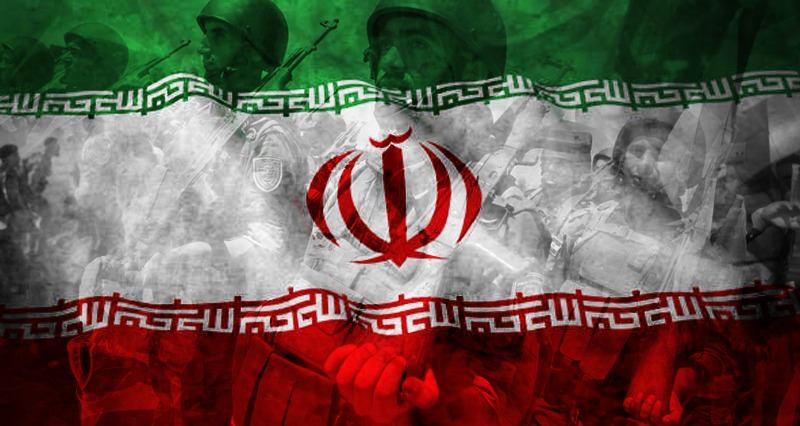
The Escalating Shadows: Trump's Iran War and its Geopolitical Ripples Across the Mideast
The Middle East finds itself once again at a critical juncture, with direct military confrontation between Israel and Iran reaching unprecedented levels. While the immediate conflict rages between these two regional adversaries, the specter of US involvement – particularly under the potential return of a Trump administration – looms large, shaping global perceptions and igniting urgent discussions around "Iran War News." Analyzing this complex dynamic requires understanding not just the current hostilities, but also the long-term strategic shifts that have paved the way for such a dangerous escalation, and what it means for US foreign policy and the future of the Mideast.
The Shifting Sands of Conflict: Understanding the Current Iran-Israel War
Recent weeks have seen a dramatic escalation in hostilities between Israel and Iran, moving beyond proxy warfare to direct military strikes. As reports indicate, Israel initiated attacks targeting Iranian nuclear and military facilities, claiming its arch-enemy was on the cusp of developing nuclear weapons – a charge Iran vehemently denies, insisting its nuclear program is solely for peaceful purposes. Iran swiftly retaliated with missile and drone strikes, solidifying a cycle of direct confrontation that both nations now regard as an existential threat.
This new phase of the conflict marks a significant departure from decades of indirect engagement. The stakes are incredibly high: Iran, refusing to "surrender" or resume nuclear talks "under fire," faces immense pressure. Meanwhile, Israeli Prime Minister Benjamin Netanyahu appears intent on drawing the United States into the war, hoping to "finish the job" against an adversary Israel perceives as an ultimate danger. The unfolding events are not merely regional skirmishes; they represent a fundamental reshaping of power dynamics and a critical test for international diplomacy. Understanding these complex origins and rapid escalation is crucial for anyone following the latest
Iran-Israel War Escalates: A Deep Dive into the Conflict.
Iran's Strategic Isolation: The Weakening of the 'Axis of Resistance'
One of the most striking developments preceding the direct Israel-Iran conflict has been the systematic dismantling of Iran's formidable network of regional proxies. For decades, Iran meticulously cultivated and armed groups like Hezbollah in Lebanon, Hamas in Gaza, and the Houthis in Yemen, creating "layers of defense" that expanded its influence while shielding its borders from direct military confrontation. However, as noted by military and political analysts like Riad Kahwaji of the Institute for Near East and Gulf Military Analysis, this protective shield has been significantly weakened.
Since October 7, 2023, Israel has incrementally rolled back these Iranian-backed forces. Hamas has been largely devastated in Gaza, Hezbollah in Lebanon has been severely weakened after a protracted 14-month conflict and continuous Israeli strikes – though it has maintained a surprisingly low profile in the current direct conflict. The Houthis in Yemen have seen their capabilities contained, and perhaps most crucially, the collapse of Bashar al-Assad's regime in Syria last December delivered a devastating blow to the so-called "Axis of Resistance."
Kahwaji emphasizes that this strategic thinning of Iran's proxy network was a prerequisite for Israel's direct military operation. "The Israelis wouldn't have launched this war if they hadn't removed those layers first," he stated, highlighting a calculated and deliberate strategy. What remains of these proxies still poses a threat, but they no longer constitute the major deterrent they once did. This isolation fundamentally alters Iran's strategic calculus, forcing it to confront Israel directly without the robust buffer it once enjoyed. This shift forms the core of why
Iran Stands Alone: Weakened Proxies in War Against Israel is a crucial aspect of current analyses.
Analyzing US Impact and the Shadow of Trump's Policies
The current conflagration in the Middle East cannot be fully understood without acknowledging the significant influence of US foreign policy, particularly the legacy and potential future impact of a Trump administration. Tom Stevenson, a contributing editor for the London Review of Books and an expert on Mideast politics, emphasizes the need to analyze "Trump's Iran war" – not necessarily a direct war declared by Trump, but the geopolitical environment shaped by his policies, which continues to affect both Iran and the US.
During his previous term, Donald Trump’s "maximum pressure" campaign against Iran involved pulling out of the Joint Comprehensive Plan of Action (JCPOA), reimposing crippling sanctions, and taking aggressive actions such as the assassination of Qassem Soleimani. These policies, while intended to curb Iran's regional influence and nuclear ambitions, arguably heightened tensions and pushed Iran closer to developing its nuclear capabilities as leverage.
A potential return of Trump to the White House would undoubtedly bring a distinct approach to the current crisis. Netanyahu’s apparent desire to draw the US into the war aligns with a historical pattern where Israeli leaders have sought stronger American involvement in regional conflicts. For the US, intervention could range from increased military aid and intelligence sharing to direct military engagement, creating significant economic and human costs. Domestically, public opinion on US military intervention in the Middle East is often divided, and a decision to engage directly would have profound political implications, potentially shaping the next US presidential election and public perception of "Iran War News." The challenge for the US would be to navigate a highly volatile situation without being dragged into an open-ended conflict while simultaneously managing the nuclear proliferation risks and regional instability.
Mideast Prospects: Regional Repercussions and Future Scenarios
The direct conflict between Iran and Israel, coupled with Iran's strategic isolation, ushers in a new era for Mideast prospects, laden with both perils and unpredictable shifts. Iran's weakened proxy network means it can no longer rely on its traditional "layers of defense" to project power or deter attacks. This could compel Tehran to either de-escalate and seek diplomatic solutions from a position of relative weakness, or, conversely, double down on its nuclear program as the ultimate guarantor of its survival. The latter would amplify proliferation concerns globally, drawing closer scrutiny and potentially pre-emptive actions from other powers.
Regionally, other Mideast powers are watching closely. Sunni Arab states, many of whom share Israel's concerns about Iranian expansionism, might view Iran's isolation as an opportunity to forge new security alliances or solidify existing ones, perhaps even leading to a more overt Arab-Israeli axis against Tehran. Conversely, a deeply destabilized Iran could trigger a humanitarian crisis or a wider refugee flow, impacting neighboring countries. The prospect of an uncontrolled escalation, where conventional attacks spiral into unconventional responses, remains a terrifying possibility. The international community faces a monumental task: to de-escalate the conflict, revive diplomatic pathways, and prevent the region from collapsing into a protracted, broader war that could have global economic and security ramifications.
The Information Battlefield: Navigating "Iran War News"
In an era saturated with information, understanding the latest "Iran War News" becomes a challenge in itself. For policymakers, the media landscape presents complex hurdles, especially when engaging "news avoidant" or "low information" voters, as highlighted by Tara McGowan of Courier Newsroom. Digital media companies play a crucial role in disseminating information, but the sheer volume and diverse sourcing mean that factual accuracy can often be obscured by partisan narratives or misinformation. Practical advice for consumers includes cross-referencing information from multiple, reputable sources, being wary of sensational headlines, and understanding the potential biases inherent in any news outlet. The way this conflict is framed and consumed by the public will undoubtedly influence domestic political discourse and pressure on leaders.
Conclusion
The current direct conflict between Iran and Israel is a seismic event, fundamentally altering the geopolitical landscape of the Middle East. With Iran's traditional proxy network significantly weakened, its strategic calculus has shifted, creating both dangers and potential opportunities for resolution. The shadow of past and potential future US policies, particularly those of a Trump administration, adds another layer of complexity, making the analysis of US impact and Mideast prospects intertwined. As "Iran War News" continues to dominate headlines, the international community faces the daunting task of navigating this dangerous escalation, striving to prevent a wider regional conflagration while addressing the core issues of nuclear proliferation and regional stability. The outcome will shape not only the future of the Middle East but also global security for decades to come.